How to execute the perfect REP
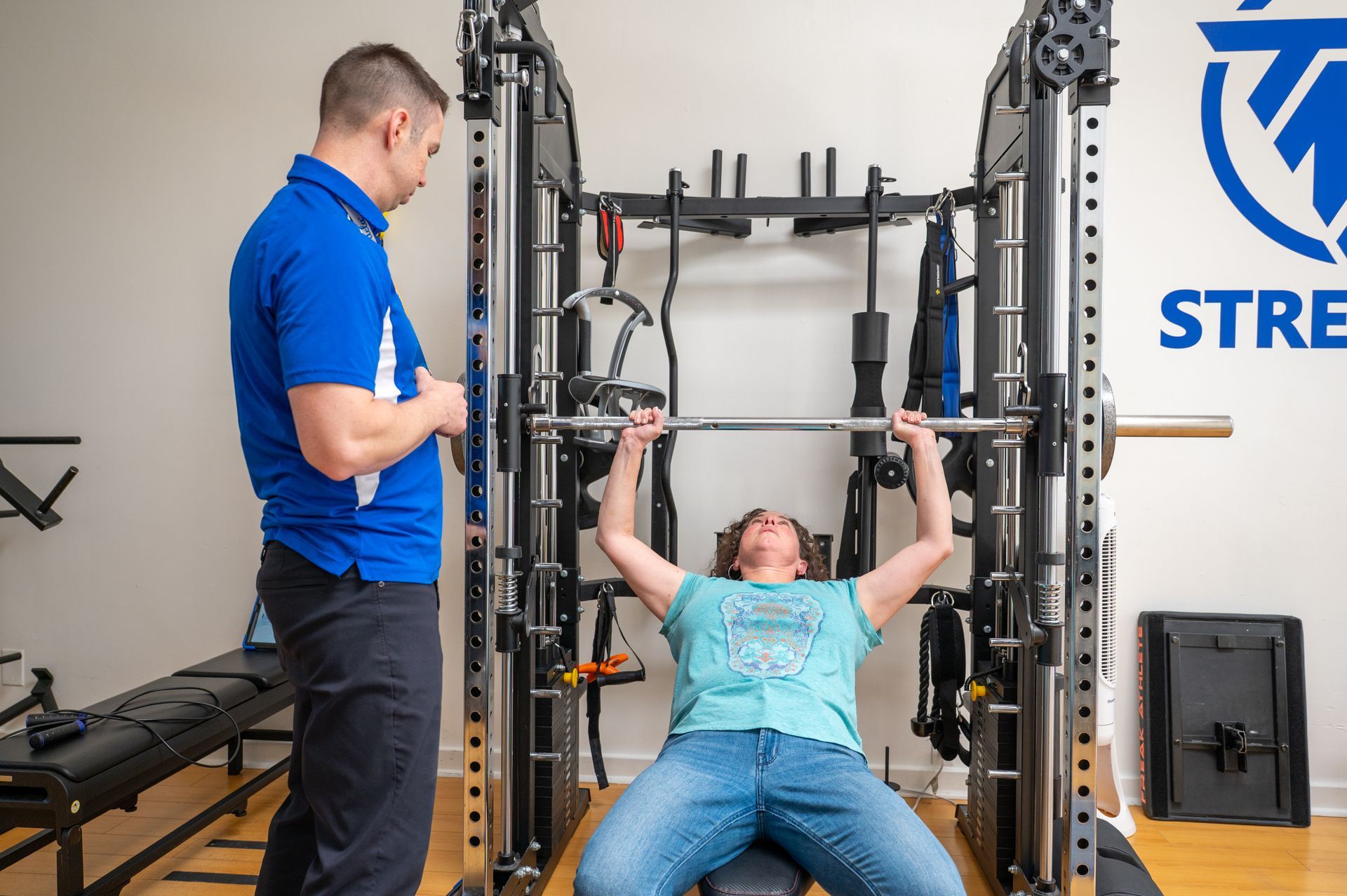
Today I am talking about the most fundamental component of training there is, the rep. If you want to achieve maximum success from your training as well as enjoy continued progress over the long term then how you execute each rep is very important.
Below I will outline the rules I use when teaching people how to strength train properly.
Rep Rules:
1. Raise the weight in a smooth and deliberate manner. Avoid sudden or jerky movements. Eliminate the use of any momentum.
2. Pause momentarily in the muscles fully-contracted position.
3. Slowly make the transition from raising the weight to lowering the weight. Do not suddenly drop the weight.
4. Emphasize the lowering of the weight. The muscles that raise the weight are the same muscles used to lower the weight.
5. Raise and lower the weight through the full range of motion* provided by each exercise. Always move through your maximum range of motion provided that you are in complete control of the weight at all times and you are pain free.
I recommend that you raise and lower the weight taking roughly 3-5 seconds in both the
positive
and
negative
phase. This means that each rep will take between 6-10 seconds to complete.
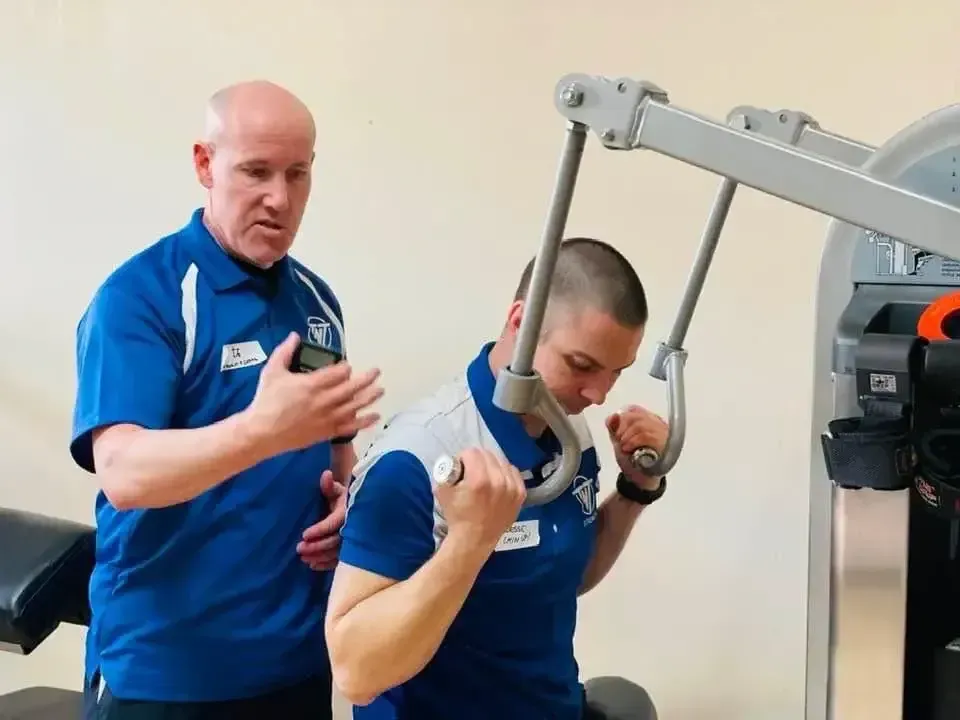
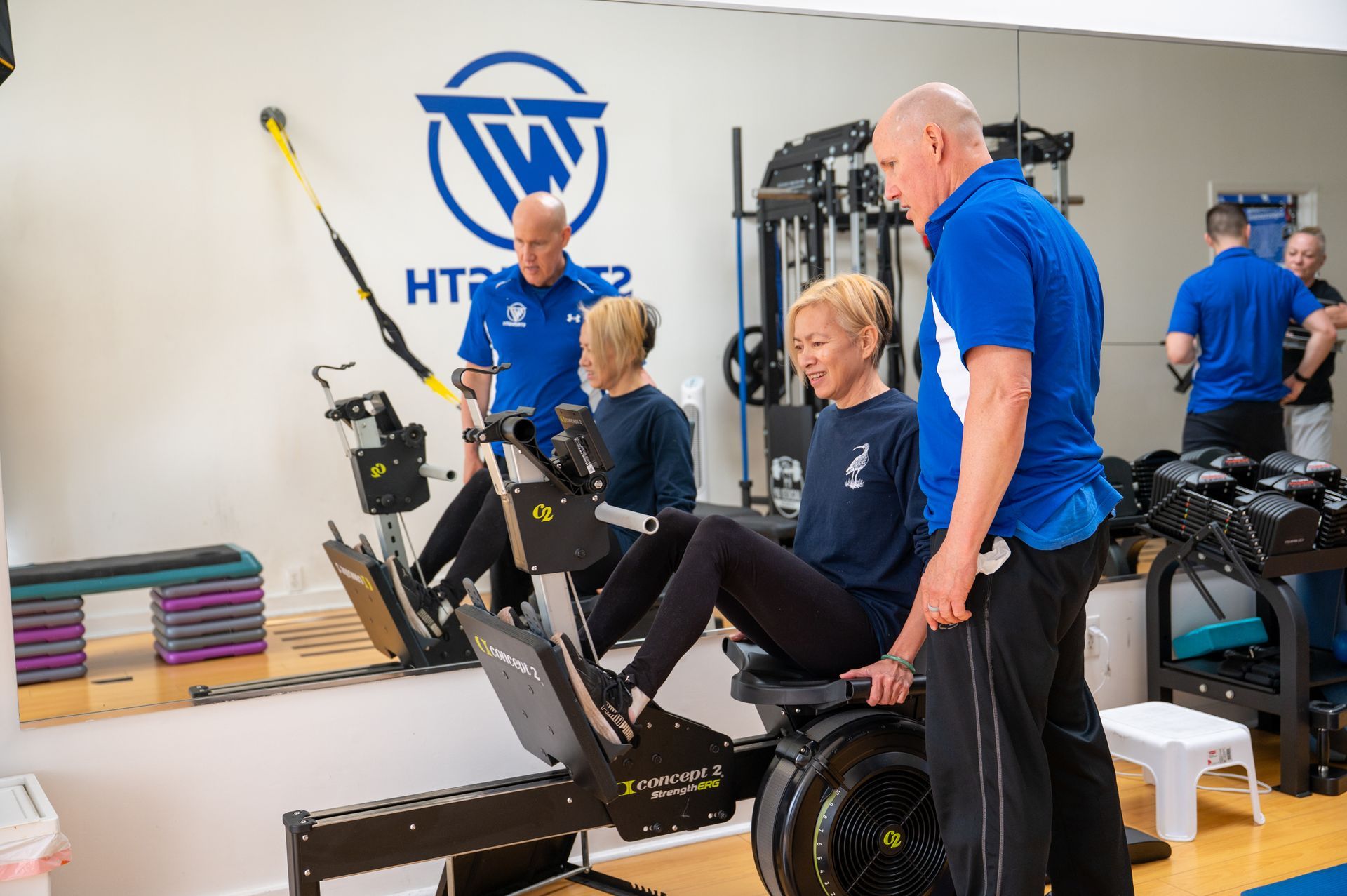
For absolute beginners or those coming back from a lay-off or recovering from injury I recommend starting with the slower speeds (5 seconds up, 5 seconds down). To assist beginners with their learning of these slower style repetitions I will often use a
metronome
. I set the metronome for a sixty beat count (one beat per second); this way they can easily match their movements to the cadence set by the metronome.
If you have never tried using slow controlled movement when lifting weights you may be in for a shock. First you may find you have to drop your poundage on many exercises as this lower force method will increase the tension the muscles experience. Second be prepared for a serious case of the
DOMS
when training to failure in this style.
Remember how you execute each repetition is the most fundamental aspect of your strength training. Train smart, train safe and reap the rewards that strength training has to offer.
As a side note, there are other training methods, such as Olympic weight lifting and kettlebell training, that specifically require fast, explosive repetitions. We’re not discounting those methods in the slightest. In fact, we personally train this way quite often when using strength implements to enhance metabolic conditioning.
TAKU’s NOTE: *There are times when breaking the range of motion into segments, or working with a limited ROM can be an effective way to enhance muscle recruitment and increase intensity. For more on theses methods check out
TAKU
Experience the TNT Strength difference with a free workout.
START YOUR FITNESS TRANSFORMATION WITH A
FREE WORKOUT
Complete the form and we'll set up an appointment for you.
Recent Articles