STRENGTH IN A TIME OF CORONA PART THREE: DUMBBELL TRAINING
In part I & II of this series we gave you some simple training options using your Body-Weight as well as Resistance Bands.
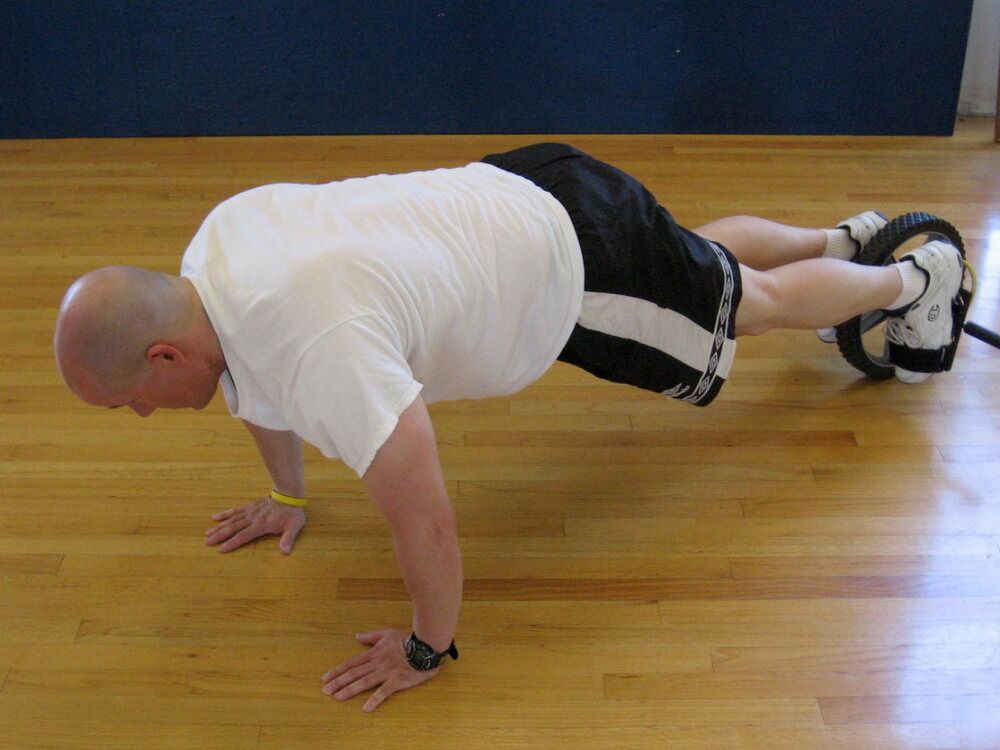
TAKU Doing a POWER WHEEL Push-Up
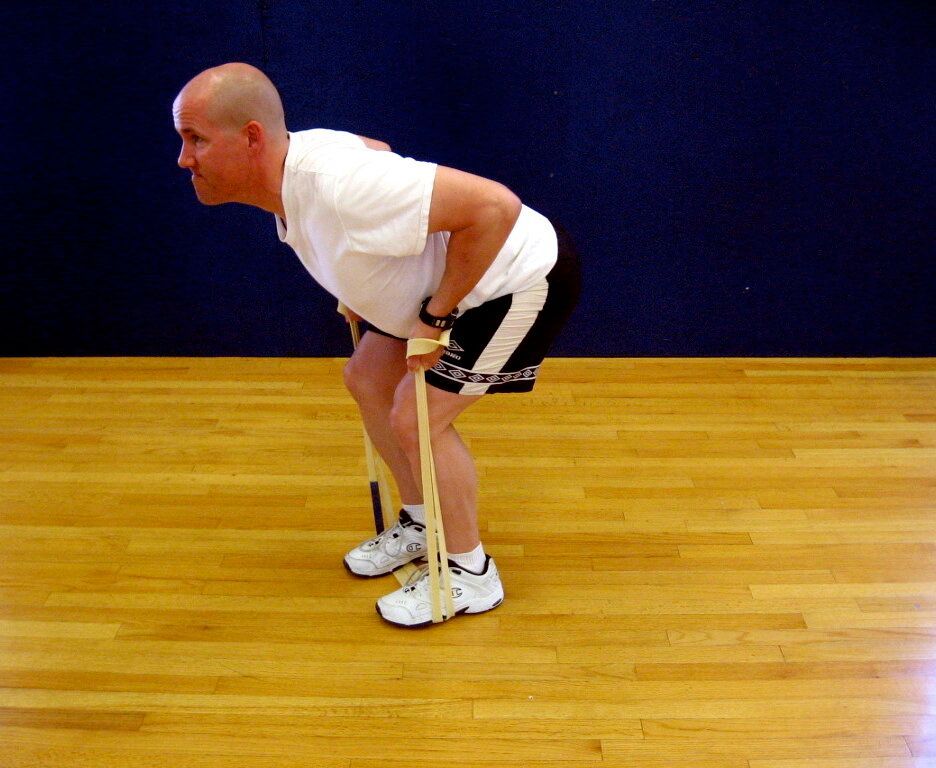
TAKU doing a Bent Over Row with Woody Band
In part III we're adding a dumbbell training plan to the mix.
Dumbbells are a great option for at home strength training, especially since many people may already have some dumbbells handy. If so, I'll give you a simple effective workout plan (below). If you don't already own any dumbbells, I'll let you know about options that are available as well as my personal recommendations on what brand to buy.

First let's talk about some advantages of dumbbell strength training.
1. A set of dumbbells doesn’t take up a lot of room, which means you can have a pair at home without a large footprint (that’s assuming you have a set of my recommended dumbbells below). 2. Dumbbells make it easy to add difficulty to a body-weight movement: holding dumbbells while doing lunges, for example. 3. Dumbbells have an added stabilization challenge, although this may initially require more of a learning curve, the largest real advantage to this stability requirement is that it takes less total weight to be challenging than with barbell exercises.. 4. You can scale easily (assuming you have more than one pair). Once the 10 pound weights become too easy, pick up the 15 pound ones! 5. Dumbbells are extremely versatile. In fact anything that can be done with a kettlebell may be done using a dumbbell. Learning dumbbell movements also often requires less skill to master for most people. There are three primary types of dumbbells.
-
Adjustable dumbbells: consist of a fixed metal bar which weight plates are slid onto the outer portions of the dumbbell and secured with clips or collars.
-
Fixed-weight dumbbells are exactly what they sound like. These are the types you most often see in commercial gyms and or hotels etc. (These are not recommended if space is at a premium).
-
“ Selectorized" dumbbells (sometimes called “nesting” dumbbells) are adjustable dumbbells whose number of plates (i.e. weight) can be easily changed when resting in the dumbbell stand. This is achieved by adjusting the number of plates that follow the handle when lifted, e.g. by turning a dial or moving a selector pin, rather than manually adding or removing plates. This makes it very easy to change the weight of the dumbbell between exercises, and the stand typically doubles as storage for the additional weights not being used for a particular exercise. These are the best option for home gym use as they are very space efficient.
If you already have a set set of adjustable dumbbells, and/or a good set of fixed weight dumbbells, then you are ready to go. If you are in the market for some dumbbells to expand your home training options, I highly recommend that you stick with one of the selectorized styles described below.
My top 3 options for selectorized dumbbells are:
-
POWER BLOCKS (the original nesting dumbbells). For folks who love dumbbell training and don't want to grow out of their home gym, these are excellent and offer the greatest amount of expand-ability.
-
Core Fitness adjustable dumbbell weight set. These are great for most folks as they adjust from 5 – 50 lbs. With a quick twist of the handle.
-
Bowflex SelectTech. These are very popular and come in several different size options.
There are many more options out there ( each with advantages and disadvantages ) but from my research, one of these three will probably serve you nicely for many years to come.
Now onto the workout: Today's workout is called a 3 X 3 .
3 X 3 training offers maximum efficiency being comprised of just three basic exercises done for 9 total sets.
The three exercises are: Clean Dead-lift & Shrug (see Taku’s note at the bottom for technique*)

Clean Dead-Lift & Shrug
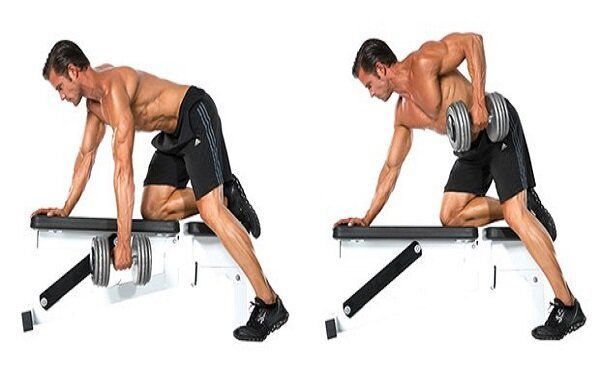
DB One-Arm Row
Dumbbell One-Arm Bent Row

Dumbbell Bench Press
The entire routine should take a maximum of 4.5 minutes per exercise and less than 15 minutes total workout time. It may be performed 1-3 times per week. A good starting schedule would be Monday, Wednesday, and Friday. It addresses all of the major muscle groups of the body with the exception of the neck musculature directly. The every other day schedule allows for proper rest and recovery.*
This routine is performed in a circuit to maintain a high and continuous heart rate to maximize cardiovascular involvement. The use of large compound movements allows you to target a variety of muscle groups all at once instead of trying to isolate each group or muscle individually. Each exercise is performed through a full range of motion to maximize flexibility enhancement. All sets are performed to MMF (Momentary Muscular Failure) or until another rep in good form is not possible. All of these efforts together will produce muscular, cardiovascular, and flexibility improvements.
Choose a resistance that allows the performance of 8-15 repetitions until fatigue is reached. Move quickly to the next exercise. Set duration should be in the 45-90 second range. Perform the succeeding 2 circuits with the same resistance as the first and complete as many reps in good form as possible. Over time, use double progression. Always try to do another rep in good form or add a little more resistance. As you can see, even if every set of every exercise takes the entire 90 seconds, you will only be performing 13.5 minutes of actual exercise time. More likely, each succeeding set will be more intense, but shorter duration adding to the exercise effect. Remember to always track your progress to ensure positive adaptations.
TAKU's NOTE: The clean, dead-lift, & shrug is one of my favorite exercises of all time. Here's how to do it: Holding a dumbbell at your sides in each hand, and standing tall, squat down as low as is comfortably possible. As you stand back up to the starting position you finish the movement by shrugging your shoulders, and standing up on your toes, slowly.
*Remember as your strength increases over time, you may need to actually train less often.
Below is an example of 3 X 3 style workout similar to the one I described above. Although it’s not exactly the same, it will provide an example of a real-time 3 x 3 style routine using the SelectTech DB’s mentioned above.
Experience the TNT Strength difference with a free workout.
START YOUR FITNESS TRANSFORMATION WITH A
FREE WORKOUT
Complete the form and we'll set up an appointment for you.
Recent Articles