WORKOUT OF THE WEEK: 5 X 5

By: TAKU
When most strength coaches see 5 x 5, they think of the classic barbell programs that advocate five sets of five repetitions. Those programs have been around forever. Well this is something completely different. If you listen to our podcast, visit our blog regularly, or are lucky enough to have trained with us in person, than you’ve probably heard about the 3 X 3 workout. I mentioned it most recently in our Corona Strength Training PART THREE article. Well in keeping with our training in the time of Corona series…today we’re gonna crank it up a notch with the T.N.T. 5 X 5 circuit.
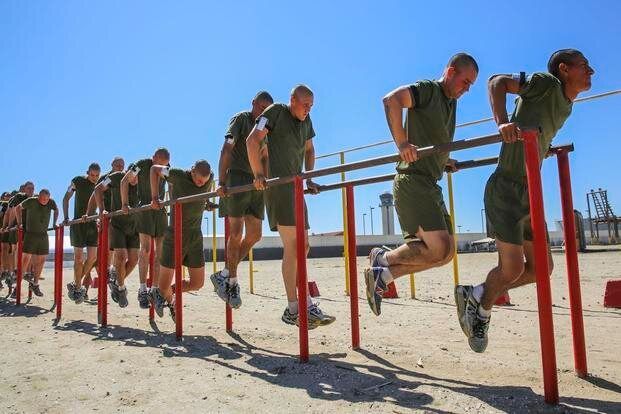
The Five by Five, circuit was inspired by basic military physical training. It combines four body-weight exercises with brief, high intensity sprints. This workout is ideally performed on an outdoor track or a park which has easy access to dipping and chinning bars. It can also be performed at home, if one has a treadmill as well as some sort of chinning and dipping station at their disposal.
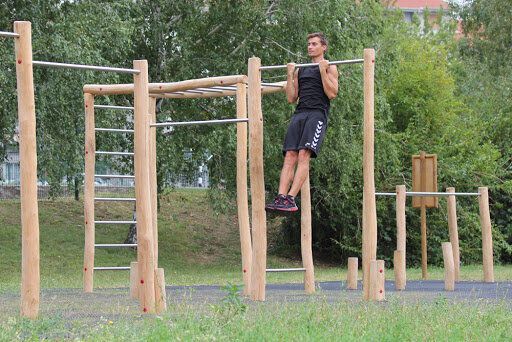
Before we are ready to workout we must first do a pre-test for both the running, and calisthenic portions of the circuit. For the run we need to know your fastest time for a one mile run. The calisthenics in this circuit are Push-ups, Chin-ups, Dips, and sit-ups. Perform a max rep test for each of these movements as follows:

1. Push-ups: Maximum repetitions completed from a fully extended, top position, with a one second pause at the top and bottom of each repetition.

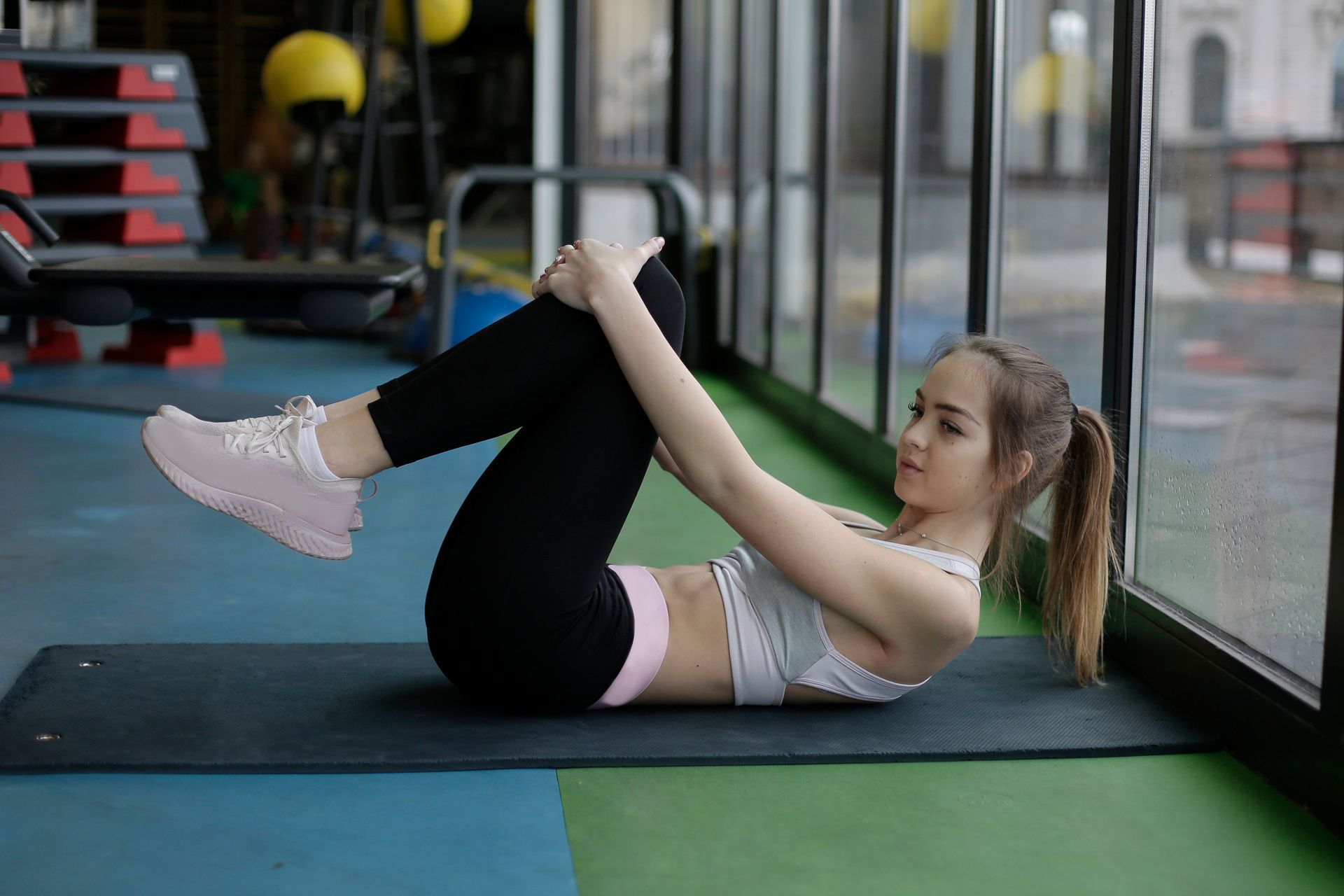
2. Chin-ups: Maximum repetitions completed from a fully extended, hang position, with a one second pause at the top and bottom of each repetition. 3. Dips: Maximum repetitions completed from a fully extended, top position, with a one second pause at the top and bottom of each repetition. (can be done on two sturdy chairs, the corner of a counter , etc) 4. Sit-ups: Knees bent at 90 degrees with feet flat on floor. Cross arms in front of chest and place the fingertips of the hands on top of the opposite side shoulder. Curl up and raise the torso to a point where the tips of the elbows contact the knees. Maximum repetitions completed from a fully extended, bottom position, with a one second pause at the top and bottom of each repetition. Once we have recorded the pre-test data for each of the five exercises we are ready to begin. The circuit is completed as follows. Perform one set @ 50% of your max repetitions for each of the four body-weight strength movements, resting 30 seconds between exercises. Then run ¼ mile (440 yards) at 100% of your best mile speed minus 10 seconds*. Rest 3-5 minutes and then repeat the circuit four more times for a total of five circuits. This circuit is just one example of hundreds that could be created using these same five exercises. For instance you could increase the running distance to more accurately reflect the types of runs you prefer. If you currently run 3-5 miles at a time you might increase the run to one mile aiming for a goal time of 85-95% of your fastest mile time as a starting goal. If you prefer more of a sprinting challenge you may run shorter or longer sprint distances or you can increase the speed of your 440’s and aim to max out on each one. The between exercise and between repetition rest intervals may also be manipulated to reflect your existing fitness level, your training goals, or both. For an ultra intense version you could attempt maximum repetitions to failure in each of the body-weight exercises. Finally If you needed to you could replace the running portion with running in place, skipping rope, or even just basic burpee’s for time. TAKU's NOTE: *Example of running ¼ mile at your best mile speed minus 10 seconds, would be as follows. Your current fastest mile time is 6 minutes. Divide that time by 4 which = 90 seconds. This means your goal time for each 440 yard run is 80 seconds. If using indoor options such as running in place, rope skipping or burpee’s, use 60 seconds as an average work interval to correspond with roughly 440 yards (400 meters).
Experience the TNT Strength difference with a free workout.
START YOUR FITNESS TRANSFORMATION WITH A
FREE WORKOUT
Complete the form and we'll set up an appointment for you.
Recent Articles