Weight, What!? 3 Reasons For Body Fat Gain
This post is an exploration of three main reasons people tend to gain body fat. It is not an indictment of any one individual person or dietary choice, nor is it designed to offer blanket suggestions. Every person has to make their own decisions based on his or her own unique beliefs, needs, and desires, as my mentor Liam Bauer likes to say.
However, I do think I have a distinct perspective given the fact that I have worked with hundreds of clients, each of them on diets that range from vegan to carnivore. I also am privileged to have access to various researchers and experts through my podcast, Truth Not Trends .
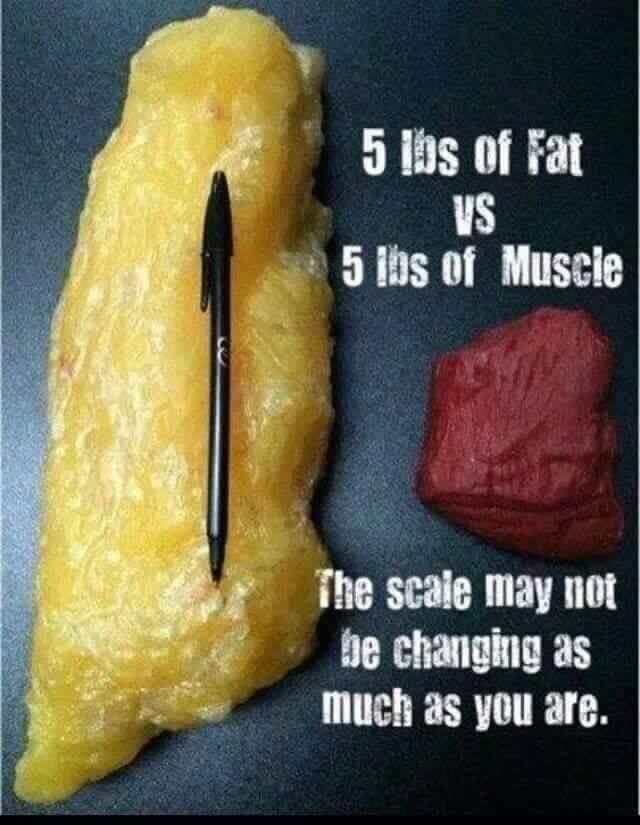
One of those experts is Dr. Wayne Westcott, a Ph.D in exercise physiology with four decades of research under his belt. According to Dr. Westcott, Americans gain one pound of body fat and lose half a pound of muscle every year . This brings me to my first point:
1) Many people flat out don’t know they’re gaining body fat. Over a five year period the average American will gain 5 lbs. of body fat and lose 2.5 lbs. of muscle. If the scale is the measurement tool for weight, which it is for most people, most people will step off and think, “Eh, it could be worse.” They won’t realize they actually gained twice as much body fat as they think they did, and, maybe even more significant, they lost muscle, which is associated with increased risk of chronic disease .
While this may seem ominous to some, there is a silver lining. Many of the things we consider to be a normal part of aging, like muscle loss (sarcopenia), osteoporosis, and type II diabetes, are preventable, if not reversible in some cases through consistent strength training and an adjusted Personal Eating Plan. In TNT podcast episode #28 with Dr. Westcott , he describes one study where he found people who strength trained and supplemented protein not only gained more muscle than the control group, they also lost twice as much body fat! Now my second point:

2) We are surrounded by energy-dense, nutrient-deficient food. Translation: a lot of our food fills us up temporarily but leaves us hungry on a deeper, intrinsic level. Office parties, grocery checkouts, and restaurant plates consistently have high-carbohydrate, low nutrient offerings. This trend reinforces the addition of one lb. of body fat and loss of a half lb. of muscle loss each year.
If we’re going to interrupt this cycle, we need to flip the script on our nutrient intake. Protein needs to be at the forefront of our minds when we sit down to a meal. According to Ph.D Bill Campbell, a good daily protein intake is somewhere between 1.4-2.0g/kg of body weight per day . I usually recommend to male clients they shoot for 1g of protein per lb. of body weight and 0.7g of protein per lb. of body weight for women per day. The calories men and women get from each respective amount of protein should equal around 1/3 of daily calorie intake. To keep it simple just try to make sure each plate you eat is roughly 1/3 protein. Reason #3 people gain body fat:
3) We have been mislead to believe certain foods are high in protein when they aren’t. Here are some fats and carbs commonly thought to be high protein:
-
Fats: nuts, nut butters, seeds, avocados, eggs. Most nuts, nut butters, and seeds have 2-3x as much fat as they do protein, although marketing will lead you to believe otherwise. A 150 lb. man would need to eat 30+ avocados per day to satisfy Bill Campbell’s recommendation. Eggs are the only food on this list with a significant amount of protein. They also have a high amount of HDL cholesterol, or “good” fat.
-
Carbs: broccoli, oatmeal, lentils, beans, quinoa, milk. To get to 84g of protein a 120 lb. woman would need to eat either 33 cups of broccoli, 38 cups of oatmeal, 7 cups of lentils, 7 cups of black beans, or 5 cups of quinoa per day! Milk varies depending on the brand but usually has more sugar in it than fat or protein.
So there you have it. Plant-based eaters may have a tougher time getting to that 1g/0.7g of protein per day mark without a supplement. But it’s doable if you’re committed to that lifestyle. Lean meats tend to be the most efficient mode of getting protein.

I hope you come away from this read with some perspective. Politics around body fat make it challenging to talk about. Even doctors sometimes present an inherent bias against overweight patients by giving unsolicited advice, or offering Personal Eating Plan and exercise suggestions even when a patient visits them for an unrelated issue. My points in this post are not a panacea; they do not take genetic makeup or preexisting conditions into account. They merely offer three reasons for the existence of body fat as objectively and compassionately as I am capable of doing.
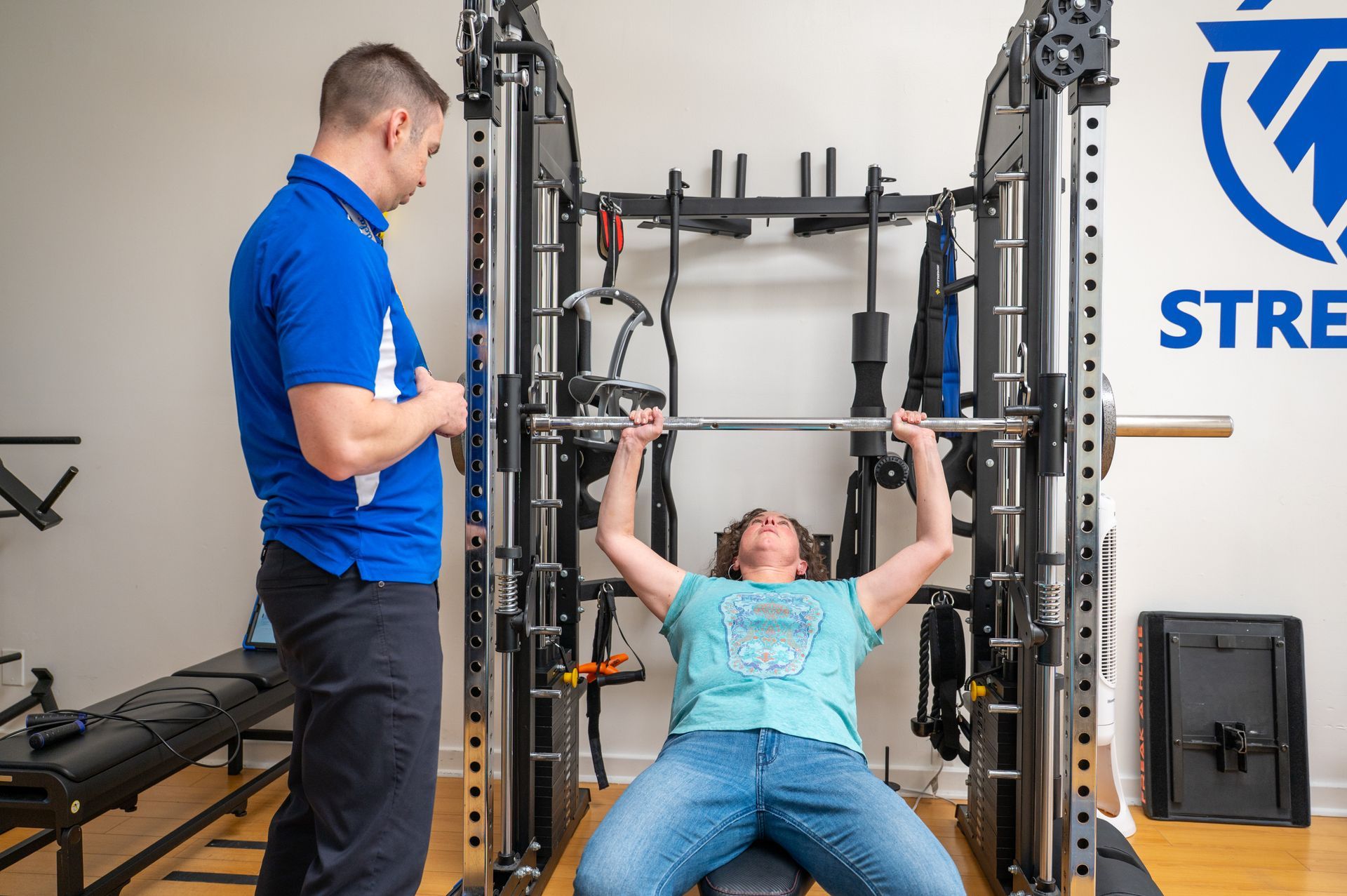
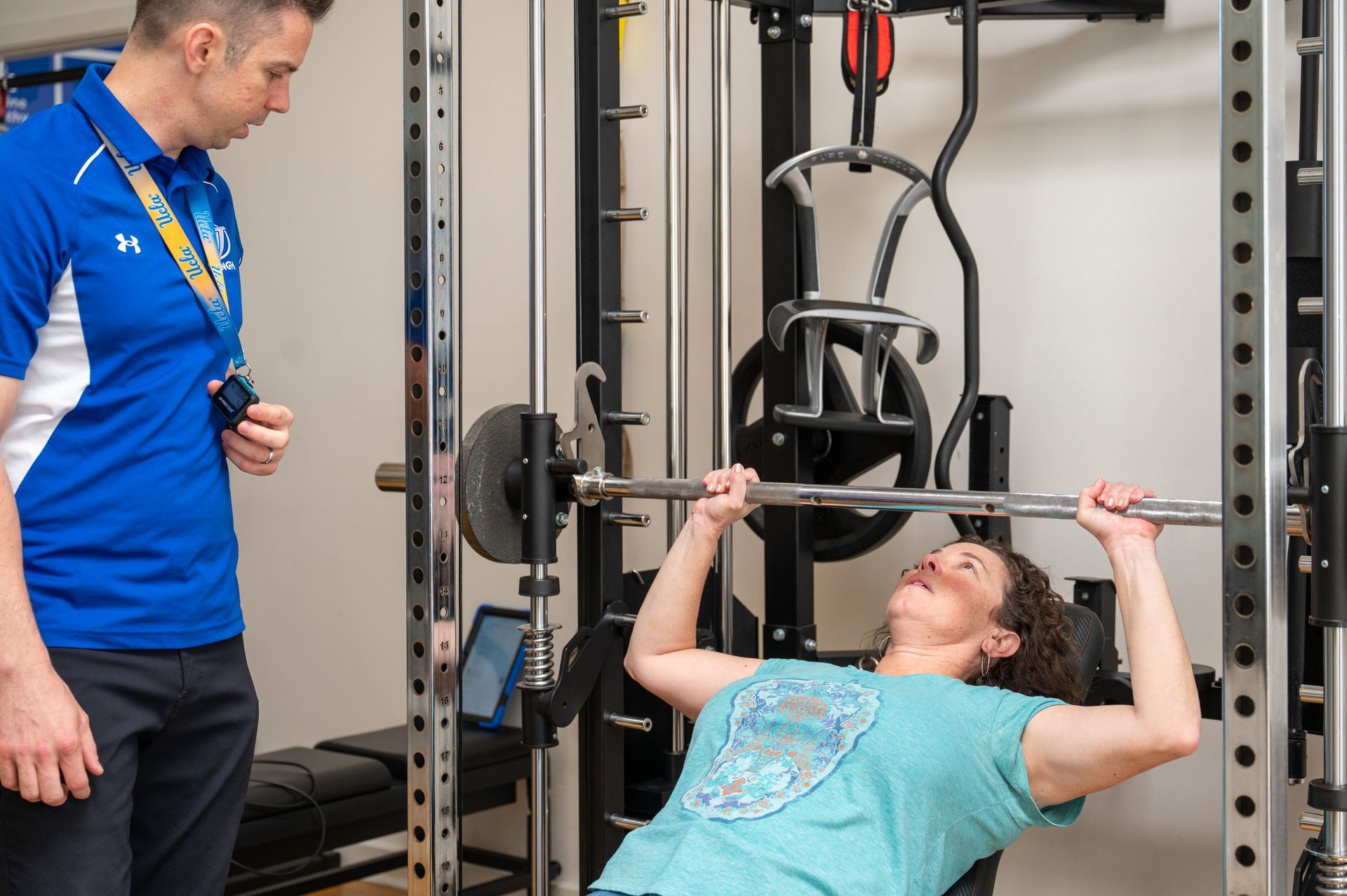
If I could implant lessons in your brain to avoid gaining or reduce body fat they would be very simple: 1) lift weights slowly and safely to failure twice per week, and 2) do your research and make sure you’re getting sufficient protein on a daily basis to gain and maintain muscle.
By: Jesse Schmidt
Experience the TNT Strength difference with a free workout.
START YOUR FITNESS TRANSFORMATION WITH A
FREE WORKOUT
Complete the form and we'll set up an appointment for you.
Recent Articles