Ten Things We Know About CONDITIONING:
TAKU • October 25, 2022

1
. Because of the specificity of energy demands, varied muscle contraction dynamics and general body stress and fatigue, playing and practicing your sport should be a priority when it comes to physical preparation. As they did in the good ole days, you CAN play yourself into shape. It's
“sport-specific”
and still true today. That stated, following a sensibly-designed conditioning program can further prepare one for the rigors of competition provided it “fits” with all strength training activities and practice sessions and does not over-stress the body's recovery systems.
2.
Like strength training, a legitimate conditioning activity must
A.)
create an overload on the (energy) system(s),
B.)
allow adequate recovery / adaptation time,
C.)
be progressive relative to the variables of running intensity, volume, distance and bout work / recovery times and
D.)
be performed on a regular basis.

3.
All other factors being equal, running speed can be improved if one
A.)
gets stronger,
B.)
stays lean and
C.)
practices the skills of running fast.

4.
Purported “speed drills” that do not replicate exact sprinting body mechanics (same speed, muscle contractions, angles of force output, etc.) may not transfer to improve speed. Again, the principle of specificity states that to become proficient in any activity, the activity itself must me practiced exactly. Anything
“almost”
or
“close”
is
NOT
exact. Therefore, general drills such as high knees, skips, bounds, box jumps, or other slower-moving actions (relative to all-out sprinting speed) can be used, but more as a part of a dynamic warm-up routine.
5.
Being in good condition is also a part of a sound speed-enhancement program. Simply put, if you're fatigued you cannot run at your maximum speed potential.

6.
Straight-line sprinting ability does not correlate to lateral or backward agility or the ability to react and change directions based on game / contest situations.

7.
All energy systems -
ATP-PC
(immediate), Lactic Acid (short term-high power) and Aerobic (long term-lower power) - are activated at the onset of any activity. What determines which system is relied upon the most is the intensity and length of the activity.

8.
You don't have to jog for 30-45 minutes or keep the heart rate in the
“aerobic zone”
to ultimately burn body fat. Shorter, higher intensity lactate threshold work actually gets you more bang for the buck, since it burns a lot of calories. Also, post-exercise fatty acid mobilization from the adipose (fat) tissue is accelerated after demanding, high intensity work.
9.
One can improve lactate threshold and VO2 max with a variety of training regimens: short and long intervals, fartlek runs
and continuous runs using various running speeds, distances, volumes and work-to-rest ratios.

10.
Genetics also play a role in conditioning: those endowed with a high percentage of the slow / type 1 muscle fibers may possess better endurance and recover faster than those with more quicker-to-fatigue fast / type 2 fibers. On the other hand, predominantly fast/type 2 people may run relatively faster but take longer to recover between bouts, all other factors being equal.
TAKU's Note:
Way back in
September 24, 2018
I put up a post called “Ten Things we know about Strength Training.
I figured I was over due to add to that series. So check out todays post Ten Things We Know About Conditioning, and when you're done, click the link and check out the first article in this series.
For assistance with creating Fun and Challenging conditioning circuits or for sport specific Strength and Conditioning or Personal Eating Plans for any goals, contact us here at TNT Strength.
Experience the TNT Strength difference with a free workout.
START YOUR FITNESS TRANSFORMATION WITH A
FREE WORKOUT
Complete the form and we'll set up an appointment for you.
Recent Articles
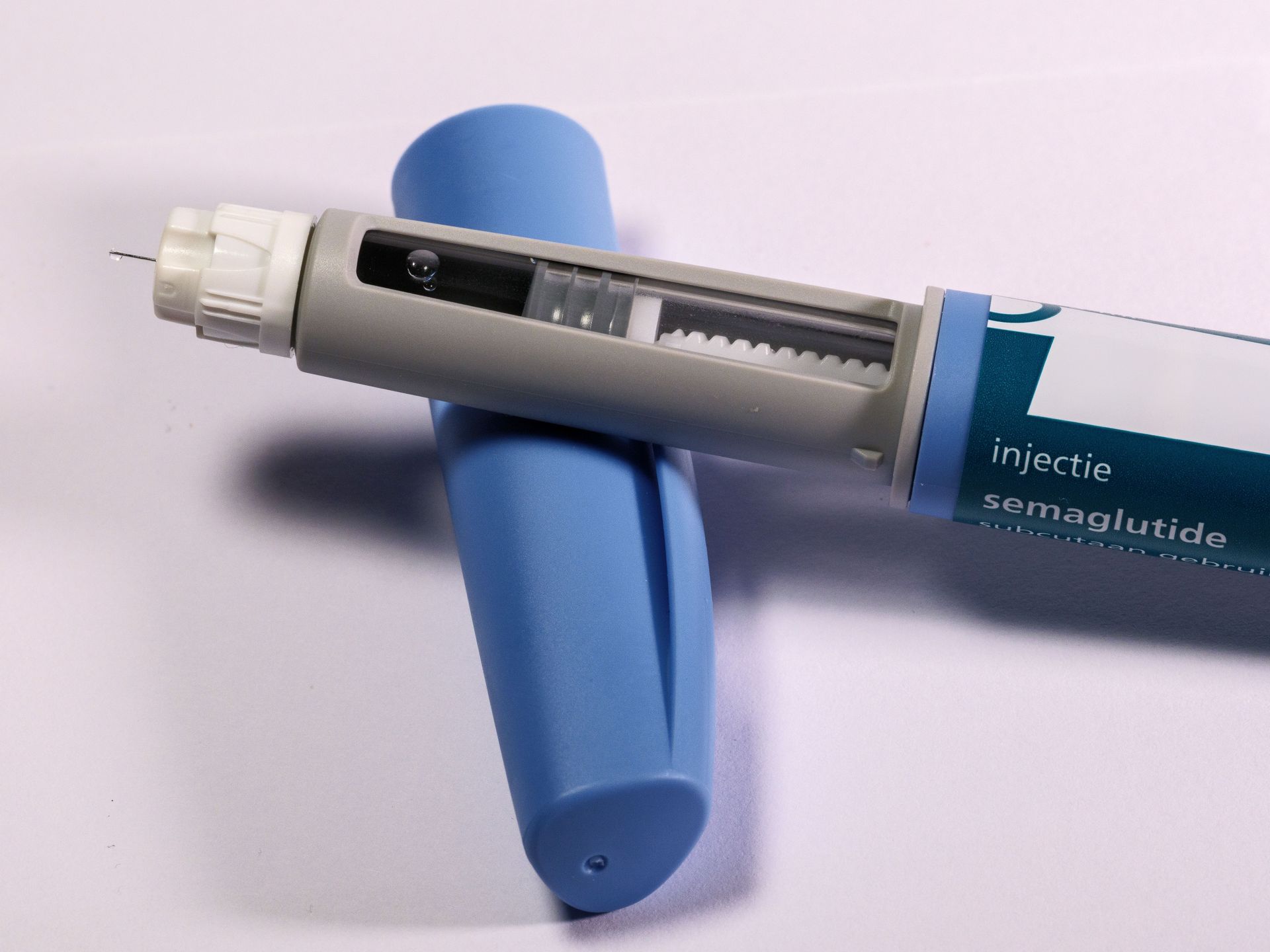
GLP-1 medications like semaglutide don't build muscle. Learn how protein and strength training protect your results. TNT Strength, Oakland & North Berkeley.

Learn what blood pressure numbers mean, how to measure at home, and how strength training helps. TNT Strength, Oakland & North Berkeley.

Extreme physiques aren't what ordinary strength training produces. TNT Strength in Oakland explains genetics, PEDs, posing and photo editing.
Afraid strength training will make you bulky? TNT Strength Oakland explains why muscle growth is gradual and individual, and why women can lift without fear.

Minimum Effective Variety: find the least food variety your Personal Eating Plan needs to stay nutritious, enjoyable and consistent. TNT Strength, Oakland.
Is velocity-based training worth it? Oakland's TNT Strength breaks down the VBT research on bar velocity, velocity loss, RPE and autoregulation.

Discover what the research really says about youth strength training. TNT Strength in Oakland's Rockridge and North Berkeley shares safe, expert-backed guidelines for kids and teens.
Protein and fat are essential nutrients that build your body's structure, while carbs are just fuel. Learn why macros matter for strength training and health.
A viral headline says you need 10 hours of exercise a week for heart health. TNT Strength's Liam "TAKU" Bauer breaks down the real study and the H.I.T. + H.I.I.T. alternative.